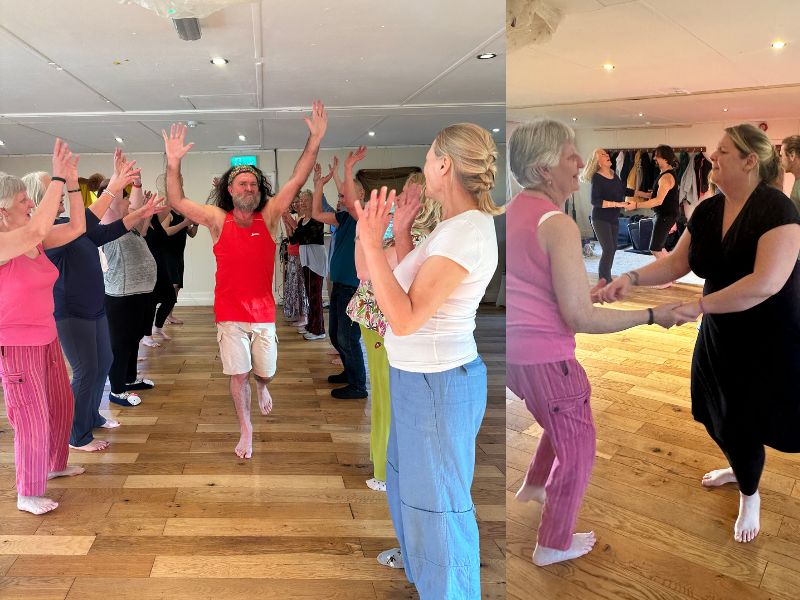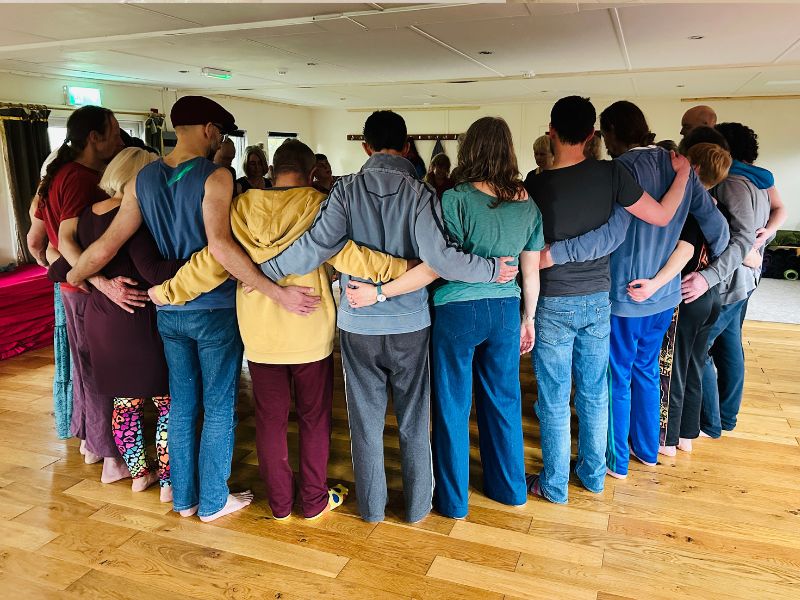
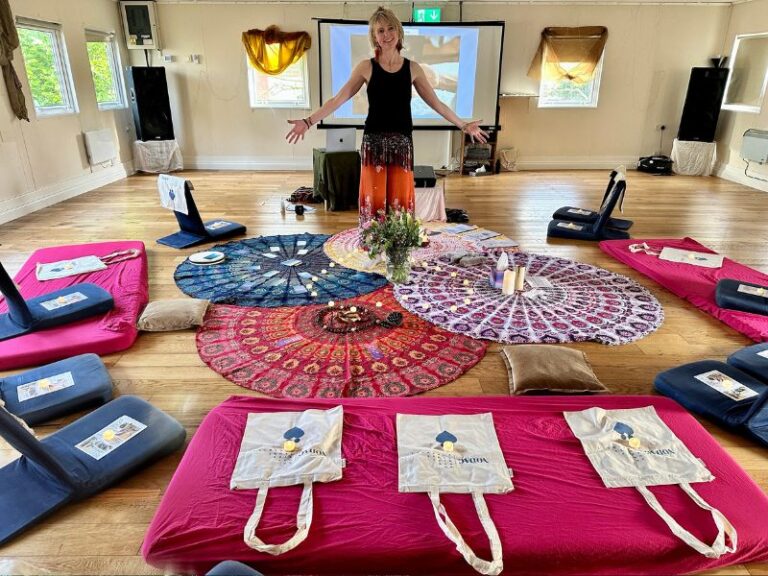
Last weekend at Leela Community in Dorset I brought together two loves that have long lived side by side in my heart: biodanza — the dance of life — and gentle end-of-life education. What unfolded felt less like a workshop and more like a tender alchemy. In a warm, nature‑embraced space, people who are caring for elderly parents, those who had recently lost loved ones, and others seeking deeper connection gathered to tend grief, learn about companionship at the end of life, and find expression through movement.
We wove practical learning about compassionate caregiving and the four stages of dying into a biodanza retreat structure so participants could both understand and embody what it means to accompany someone through ageing and passing. Conversations about companionship, presence, and the small but profound practices that ease the dying process were balanced with movement practices that opened & softened the heart, allowing emotion to be felt and released.
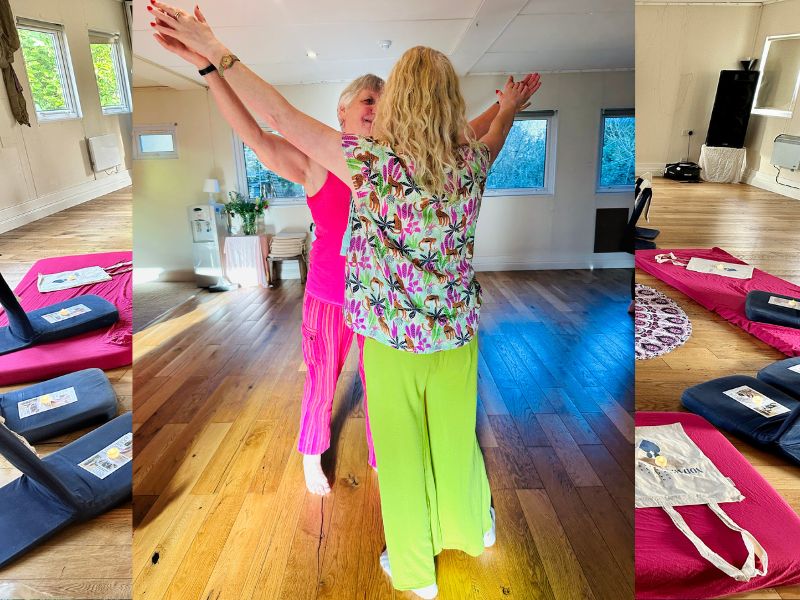
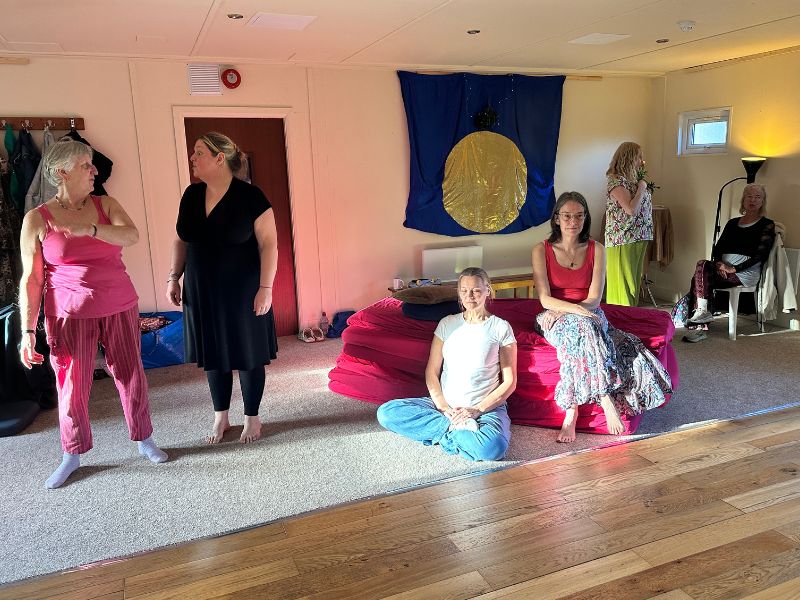
What made the weekend especially powerful was the way dance supported the learning. Biodanza’s emphasis on connection, vitality and authentic expression gave people a language beyond words. For primary caregivers, this offered relief: a place to alchemise heavy worry into embodied presence. For those processing recent loss, the music, touch and shared rhythms created a safe channel for grief to be witnessed, held, and transformed by community.
The Leela Community set the tone — generous hospitality, nourishing wholefoods, warm rooms and the quiet of beautiful grounds made it easy to slow down and be held. The container we created together was gentle and sturdy: structured learning, compassionate facilitation, and plenty of space for rest, tears, laughter and deep listening. Hugs and human contact were integral parts of the healing, and people left feeling seen, lighter, and more capable of offering tender care to others.
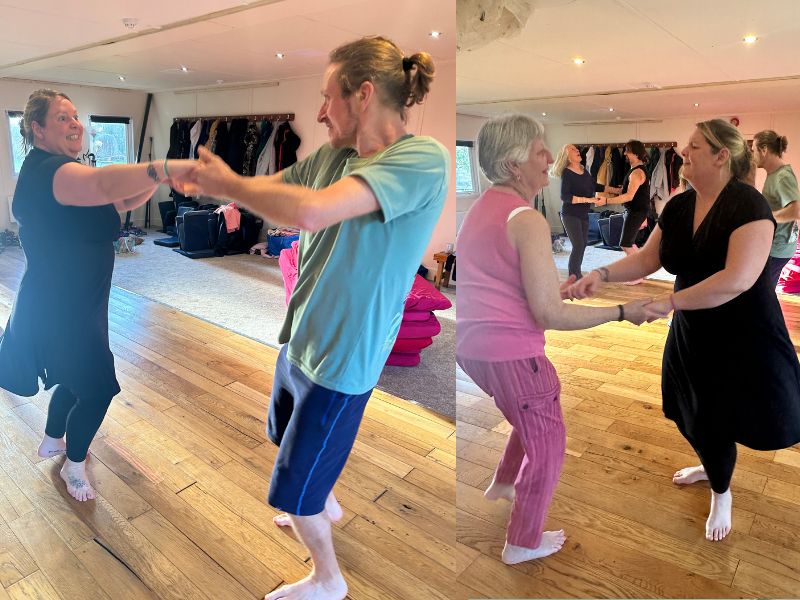
Bringing these two modalities together felt organic because both honour life’s full spectrum — from exuberant aliveness to the quiet of dying. Learning about how to accompany someone at the end of life and then moving those insights through the body deepens understanding in a way that conversations alone cannot. Participants left feeling replenished, more present with their emotions, and better equipped to hold loved ones with compassion.
If you’re curious about how movement and end-of-life care can inform and strengthen one another, I invite you to join a future retreat. Whether you’re a caregiver, a bereaved friend, a health professional, or someone simply wishing to engage more fully with life and its endings, this integrated approach offers practical skills, heartfelt connection, and embodied resilience.