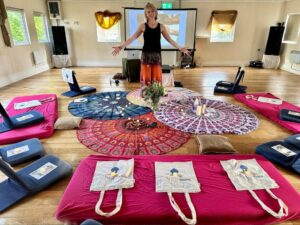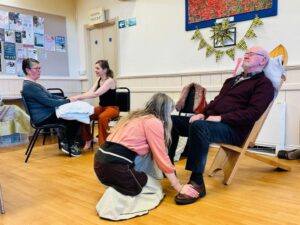

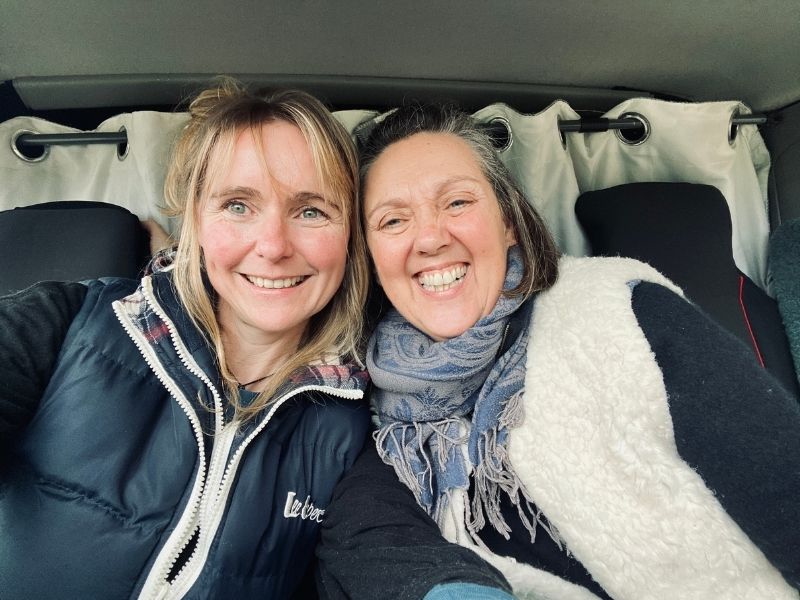
At No One Dies Alone Cornwall, we believe in the compassionate support for all individuals, particularly those with learning disabilities and autism. Anna and Christina provided essential training to clinicians working in this vital area of healthcare.
We met in Bristol & Exeter for two impactful training days that brought together a diverse group of clinicians, care support staff, consultants & healthcare providers. This course was designed specifically to enhance understanding and skills when it comes to caring for individuals nearing the end of life, ensuring that their experiences are dignified and respectful.
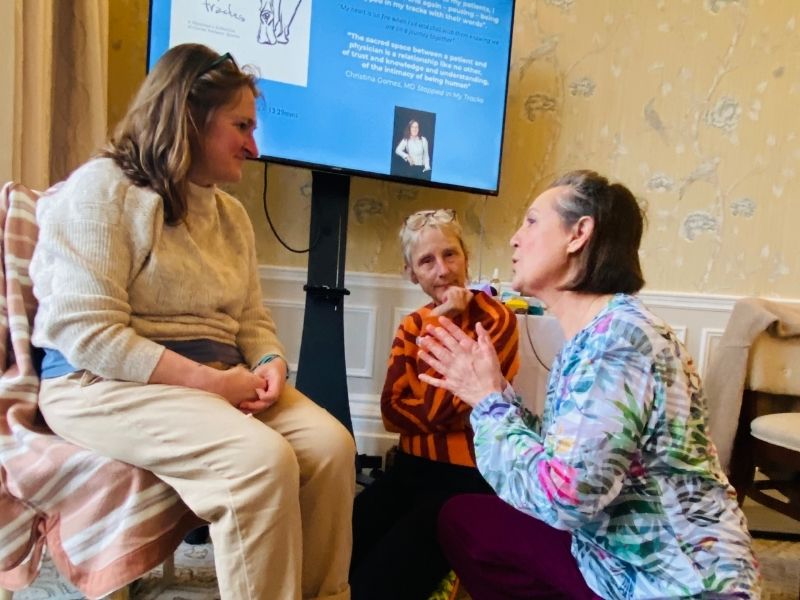
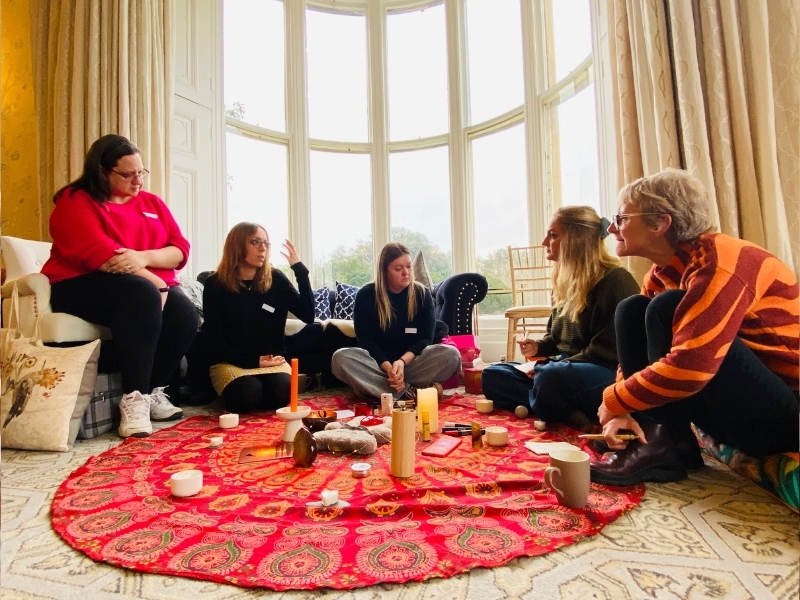
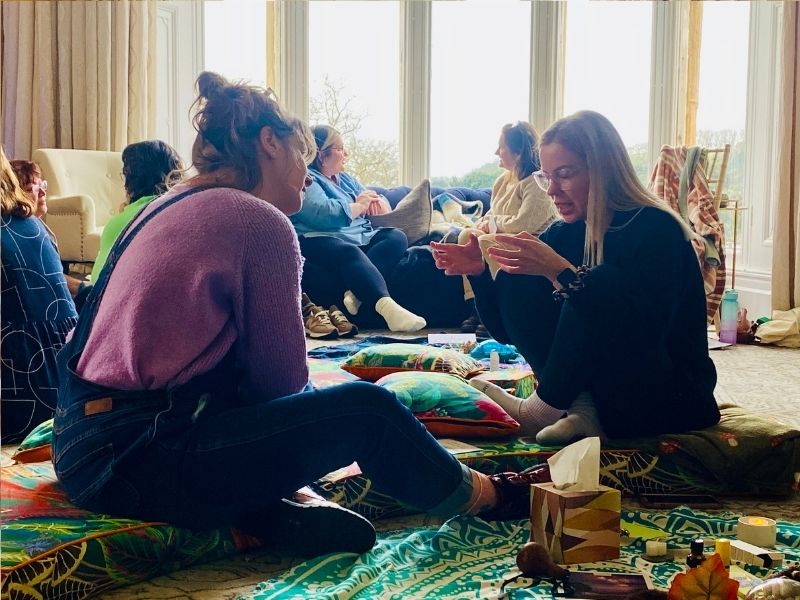
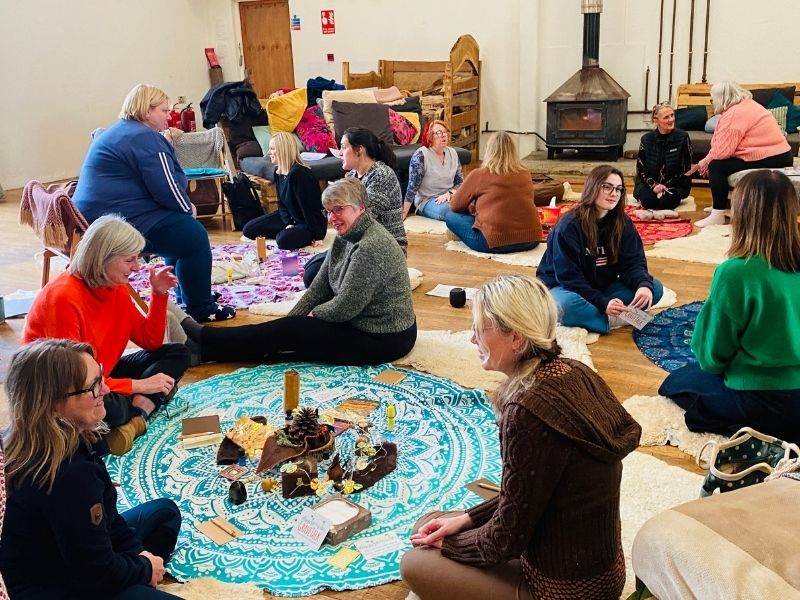
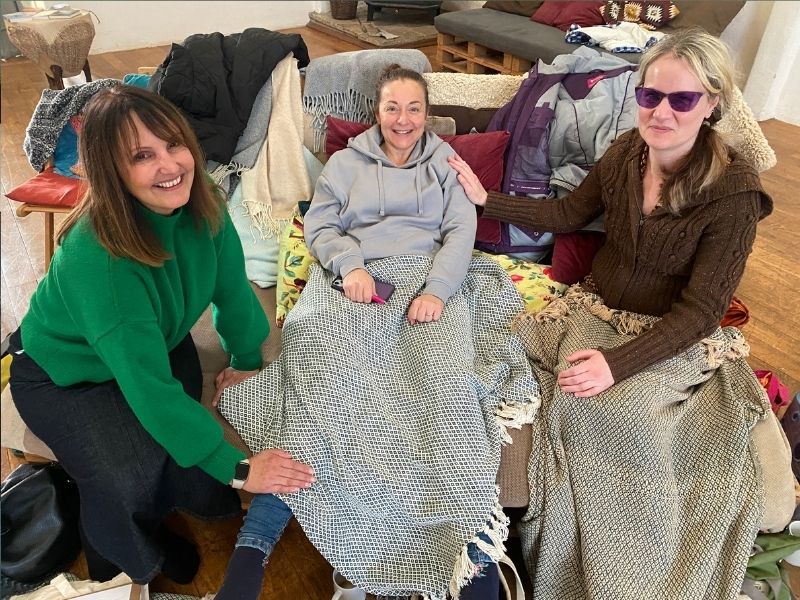
The feedback was outstanding:
“It’s been a deeply thought provoking day. Before today I always thought of death as clinical. I now see that death can be very holistic and how valuable it is to meet a person’s emotional and spiritual needs as well as the medical”
“The most valuable use of my time recently! Personally and professionally!“
“Very gentle and nurturing course – so thoughtfully put together with great focus on normalising death and dying process“
“Im so grateful to understand how to apply a holistic view on something that has become overly medicalised“
At No One Dies Alone Cornwall, we are proud to be part of this initiative and look forward to seeing the long-term positive impacts on both clinicians and the individuals they serve. Together, we can ensure that no one navigates this journey alone.
If your workplace also believes in fostering a culture of care by prioritizing empathy and understanding, please get in touch as we can travel to you. We are dedicated to making the course accessible for all. Remember that this course is not just an educational opportunity—it’s a stepping stone to transforming end-of-life care for individuals with learning disabilities and autism.